
Choose the Walled City for historic immersion, Getsemaní for a social old-quarter base, or Bocagrande for an urban beach and modern towers.
Compare Cartagena’s Walled City, Getsemaní and Bocagrande by setting, beach access, transport, noise and accommodation style.
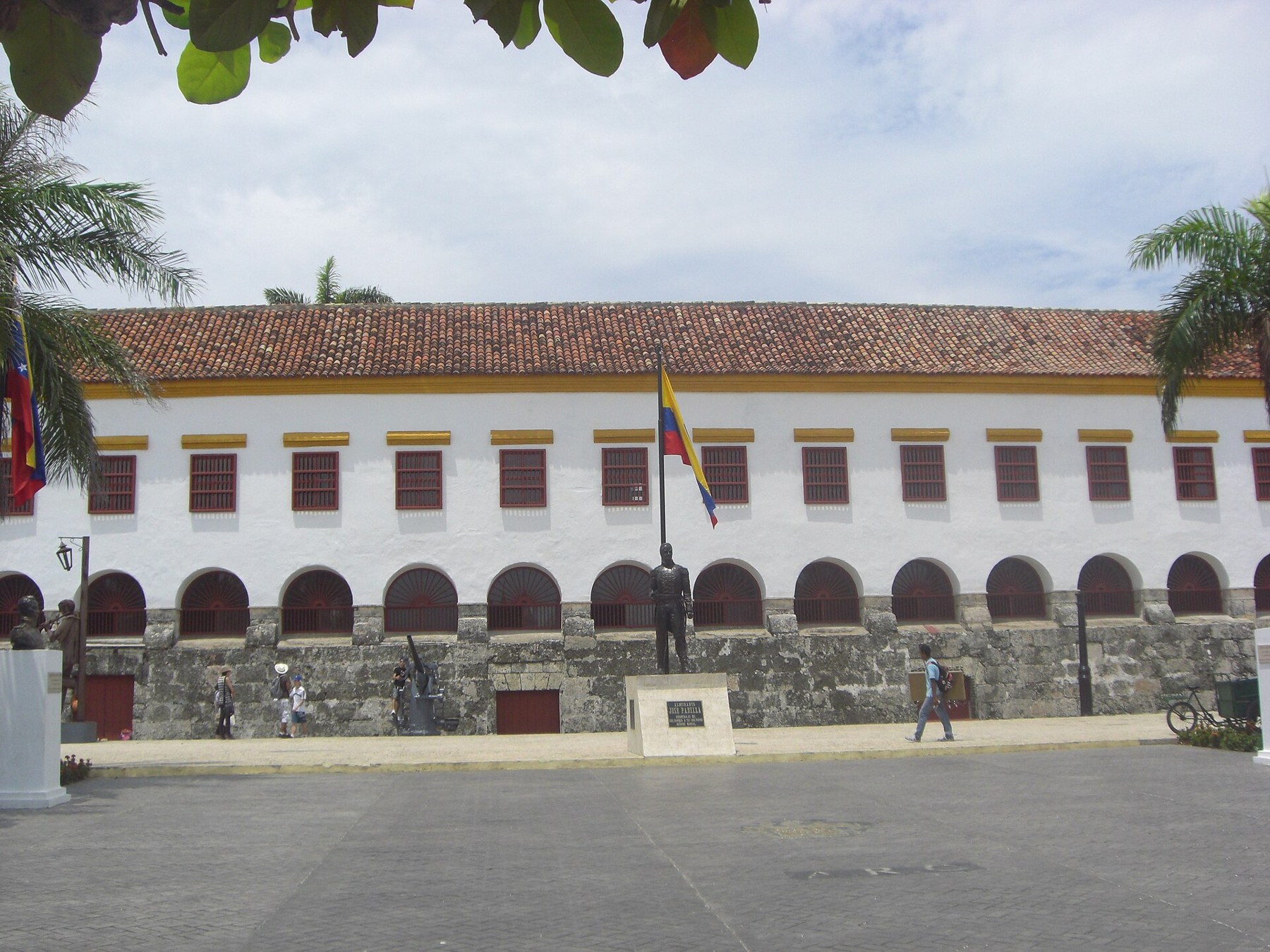
For a first Cartagena visit centered on historic sights, restaurants and walking, choose the Walled City. Pick Getsemaní for similar access with a more social street scene. Choose Bocagrande if an urban beach, a modern hotel or a high-rise apartment matters more than sleeping in the old quarter.
One naming point matters when comparing accommodation: UNESCO describes Cartagena’s historic center as three neighborhoods—Centro, San Diego and Getsemaní—but booking sites often list Getsemaní separately. In this guide, Walled City means Centro and San Diego, while Getsemaní is compared on its own. UNESCO explains the three-neighborhood structure.
The choice at a glance
| Stay in… | Best for | Main advantage | Main compromise |
|---|---|---|---|
| Walled City | First visits, short stays and historic sights | The walls, plazas, churches and major museums are outside your door | Historic buildings can have stairs, internal rooms and limited sound insulation |
| Getsemaní | Social evenings, hostels and small hotels | Old-quarter access plus the street life around Plaza de la Trinidad | Noise varies sharply by block and room position |
| Bocagrande | Urban beach time, modern hotels, apartments and sea views | Sand, waterfront walks and more high-rise accommodation | Old-city outings require a longer walk or a vehicle trip |
Best default for a first visit: Walled City. Best for sociability near the historic sights: Getsemaní. Best when a beach-facing stay is the priority: Bocagrande.
Walled City: historic Cartagena on your doorstep
Staying in Centro or San Diego puts you inside the setting that defines most first-time itineraries. UNESCO identifies the Cathedral, San Pedro Claver complex and Palace of the Inquisition in Centro, while describing San Diego as the former quarter of merchants and craftspeople. Its World Heritage record details the monuments and neighborhood structure.
This is the practical choice if you want to go out early, return to the hotel during the hottest part of the day and walk out again for dinner. It reduces the need for short vehicle trips during a compact visit.
The main booking risk is assuming that every converted historic house works like a conventional hotel. Before reserving, confirm:
- whether the room has an exterior window;
- whether upper floors require stairs;
- whether it faces the street, courtyard, bar or rooftop;
- whether the property has reliable air conditioning and what happens during a power interruption;
- the exact map pin, not just a listing labeled “historic center.”
Choose Centro near the Clock Tower, Plaza de Bolívar or San Pedro Claver when minimizing walks to major sights is the goal. Consider San Diego when you find a room you prefer there; it remains within the walls and close to Centro. Neither district label guarantees quiet, so check recent room-specific reviews and ask the property directly about nearby music and its own events.
Choose the Walled City if: the old city is the focus or you want to organize each day around short walks and a midday hotel break.
Look elsewhere if: a modern tower, broad sea view or walk-out beach access matters more than historic surroundings.
Getsemaní: a social base in the historic center
Getsemaní is not merely an overflow district outside historic Cartagena. UNESCO includes it in the World Heritage ensemble and describes it as the former suburban quarter inhabited by artisans and enslaved people who supported much of the city’s economic activity. The UNESCO record places Getsemaní within the historic center.
Plaza de la Trinidad is both a gathering place and a site tied to Cartagena’s independence history. In 2024, the city returned the restored Grito de Independencia de Cartagena 1811 sculpture to the plaza and commemorated Pedro Romero and the Lanceros de Getsemaní there. The city’s account explains that connection.
Getsemaní suits travelers who want hostels, small hotels, bars and active public spaces close together while retaining easy access to the Walled City. That energy is also its principal drawback. During nighttime enforcement activity, the city has addressed amplified sound and excess noise around streets including Media Luna, Arsenal and San Antonio, as well as Plaza de la Trinidad. The official report describes the nighttime activity and noise controls.
Room position can matter more than the neighborhood label. Ask how far the room is from Plaza de la Trinidad, whether it faces the street and when the property’s bar or rooftop closes. A rear-facing room may provide a different experience from a balcony room on the same block.
Getsemaní is also well placed for pairing the old neighborhoods with Castillo San Felipe de Barajas, which stands on Cerro San Lázaro east of the historic core. The fort’s administrator estimates it at 10 minutes by car from the Clock Tower, though actual travel time varies. The official visitor page gives its location and arrival guidance.
Choose Getsemaní if: street life and social evenings are positives, while old-city access remains essential.
Look elsewhere if: early-night quiet is a priority or you prefer the facilities of a large beachfront hotel.
Bocagrande: urban beach and modern accommodation
Bocagrande changes the rhythm of the stay. Instead of sleeping in the historic ensemble, you stay on a developed waterfront peninsula with beaches, commercial streets, hotels and apartment towers. It is the clearest choice if you want a morning beach walk, a sea view or a larger modern property as a retreat from the old city.
Set the right beach expectation. Bocagrande provides convenient urban sand; it is not a substitute for an island excursion. The beach is organized and regulated space. At Playa 5, for example, the city notice identifies access areas, rest and active zones, a designated bathing area and temporary restrictions on water sports. Cartagena’s official Playa 5 notice describes the zoning.
Beach access can also change with sea conditions. From February 2 to 4, 2026, the city temporarily closed all urban, rural and island beaches because strong waves and currents created a safety risk. The closure notice records the dates and technical basis. Check current city or maritime-authority notices if beach time is central to the trip.
Bocagrande is connected to the edge of the historic center by public transport, but verify the service before building a schedule around it. TransCaribe’s route material shows the T103 serving Bocagrande and La Bodeguita; the operator’s route page, last marked updated in May 2025, still lists T103 among its trunk routes. See the route diagram and TransCaribe’s system list. Stops and operating details can change.
For taxis or app-arranged cars, judge the connection by time of day rather than trusting a fixed “minutes from the old city” claim. Also check the property’s exact position on the peninsula: a lower room rate can be offset by added travel on every historic-center outing.
Bocagrande is particularly suitable for:
- travelers who prefer lifts and conventional hotel infrastructure;
- families wanting an apartment layout and nearby everyday shops;
- visits that mix sightseeing with substantial downtime;
- anyone content to group old-city activities into one outing rather than repeatedly returning to the room.
Choose Bocagrande if: an urban beach, sea view or modern high-rise stay is a daily priority.
Look elsewhere if: most of the itinerary is inside the old city or you want historic plazas immediately outside the hotel.
Make the final decision from your itinerary
- Count old-city days. If nearly every day begins in Centro, San Diego or Getsemaní, staying in the historic core removes repeated transfers.
- Define “beach trip.” If it means stepping onto urban sand before breakfast, Bocagrande fits. If it means one dedicated boat or island day, beach proximity need not determine the whole stay.
- Audit the room, not just the district. In the Walled City and Getsemaní, ask about stairs, windows and noise. In Bocagrande, confirm whether a sea view is full or partial and map the nearest usable beach access.
- Map three anchors. Check the route from the property to the Clock Tower, Plaza de la Trinidad and La Bodeguita. This exposes vague location labels quickly.
- Split the stay only if both settings are priorities. Combining the historic core with Bocagrande can suit a longer trip, but on a short visit the hotel change may cost more time than it saves.
For most first-time visitors, the decision is simple: Walled City for maximum historic-center convenience, Getsemaní for a more social base nearby, and Bocagrande when beach access and modern accommodation outrank old-city immersion.